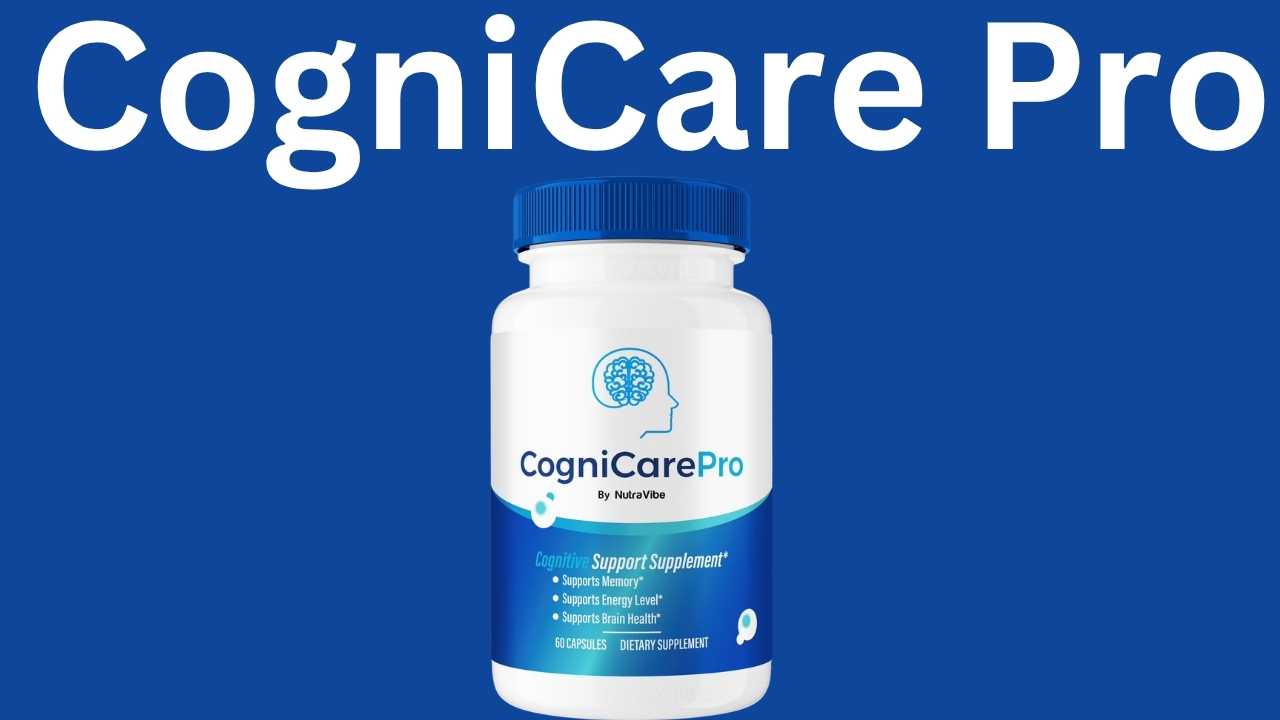
If you’ve landed on this page, chances are you’ve seen CogniCare Pro advertised somewhere — maybe on social media, a health blog, or a YouTube ad — and something about it made you pause and ask: “Is CogniCare Pro a scam?“ That’s not just a fair question. It’s the right question. In a market flooded with cognitive supplements making extraordinary claims, healthy skepticism isn’t paranoia — it’s smart consumer behavior.
In this review, we’re going to do something most supplement articles won’t: we’re going to look at both sides honestly. We’ll examine what CogniCare Pro claims to do, what’s actually inside it, what real users are experiencing, and most importantly — whether any of the “scam” concerns circulating online have real merit or whether they’re just noise. No agenda, no affiliate pressure — just a clear-eyed, human assessment of what you need to know before spending your money.
What Is CogniCare Pro? (And Why Are People Calling It a Scam?)
CogniCare Pro is a nootropic dietary supplement marketed primarily for cognitive enhancement. The brand targets adults who are experiencing brain fog, memory lapses, difficulty concentrating, or mental fatigue — essentially people who feel like their mind isn’t operating at the level it used to. The product is positioned as a natural, non-prescription solution that supports memory, focus, mental clarity, and overall brain health through a blend of plant-based ingredients and cognitive-support nutrients.
So why are people searching “CogniCare Pro scam” in the first place? The answer is layered. Part of it comes from the supplement industry’s well-earned trust problem — there have been countless cognitive supplements over the years that overpromised, underdelivered, and quietly disappeared. Part of it comes from aggressive online marketing tactics that make CogniCare Pro’s ads feel too polished, too confident, and too good to be true. And part of it comes from frustrated buyers who expected dramatic overnight results and didn’t get them. Understanding which of these concerns is legitimate is exactly what this article is here to help you figure out.

CogniCare Pro Product Overview Table
Before diving deeper, here’s everything you need to know about CogniCare Pro laid out in one clear snapshot:
| Feature | Details |
| Product Name | CogniCare Pro |
| Product Category | Nootropic / Cognitive Enhancement Supplement |
| Primary Claims | Improved memory, sharper focus, reduced brain fog, mental clarity |
| Key Ingredients | Green Coffee Bean, L-Tyrosine, Theobromine, Bacopa Monnieri, Rhodiola Rosea, Huperzia Serrata |
| Form | Capsules |
| Recommended Dosage | 2 capsules daily |
| Target Audience | Adults 30+ experiencing cognitive decline, brain fog, or mental fatigue |
| Stimulant Content | Mild (Green Coffee Bean / Theobromine) |
| Side Effects Reported | Mild headaches, digestive sensitivity (in some users) |
| Customer Rating | 3.7 – 4.3 / 5 (varies by platform) |
| Money-Back Guarantee | 60 days (as stated on official site) |
| Price Range | $49 – $69 per bottle |
| Scam Complaints | Billing disputes, delayed shipping, unrealistic expectations |
| Where to Buy | Official website only (not available in retail stores) |
| Manufacturing Standard | GMP-certified, USA-manufactured (as claimed) |
Breaking Down the “Scam” Allegations — Are They Legitimate?
This is the section that most review sites avoid because it requires nuance rather than a simple yes or no. When you dig into the CogniCare Pro scam allegations that circulate online, they tend to cluster into a few distinct categories — and they don’t all carry equal weight.
Complaint #1 – Fictional Expectations: A large number of disappointing evaluations are from people that promised drastic and quick mental improvement. When a supplement’s marketing language includes phrases like “unlock your brain’s full potential,” it inevitably attracts buyers who interpret that as a promise of near-instant genius-level focus. CogniCare Pro, like most legitimate nootropics, is designed to support cognitive function gradually over weeks — not days. This mismatch between marketing language and realistic outcomes is a genuine problem, but it’s a marketing ethics issue, not necessarily proof of a fraudulent product.
Complaint #2 — Billing and Subscription Issues: This is where the concerns get more serious and more credible. Several users across review platforms have reported difficulty canceling subscriptions, unexpected recurring charges, or challenges reaching customer support for refunds. These types of complaints — if accurate — represent real consumer protection concerns and are worth taking seriously before you purchase, especially if you’re buying directly from the official website.
Complaint #3 — No Results at All: Some users report taking CogniCare Pro for 30 days and feeling absolutely no difference. This is frustrating, but it’s also not unique to CogniCare Pro. Nootropic supplements have highly variable individual responses depending on baseline nutrition, sleep quality, stress levels, and genetics. A product that works well for one person may do nothing for another — and that doesn’t automatically make it a scam.
Complaint #4 — Counterfeit Products: There are reports of CogniCare Pro being sold through unauthorized third-party sellers on major marketplaces. These may be counterfeit, expired, or improperly stored products that bear the CogniCare Pro name but not the actual formula. This is a legitimate concern and another reason to buy only from the official source.
CogniCare Pro Ingredients: Does the Formula Hold Up to Scrutiny?
One of the most important tests of whether a supplement is legitimate or a scam is whether its ingredients have any actual scientific backing. Let’s look at what CogniCare Pro contains and assess each ingredient honestly:
Green Coffee Bean Extract: Unlike roasted coffee, green coffee beans retain their chlorogenic acid content, which has been studied for its antioxidant properties and modest effects on mental alertness. The caffeine content is lower than regular coffee, providing a gentle cognitive lift without the harsh spike-and-crash cycle. It’s a reasonable inclusion in a cognitive supplement — not revolutionary, but not fake either.
L-Tyrosine: This amino acid is one of the more well-supported nootropic ingredients available. It’s a precursor to dopamine, norepinephrine, and adrenaline — neurotransmitters that play a direct role in focus, motivation, and working memory under stress. Military research has actually examined L-Tyrosine for its ability to support cognitive performance in high-stress, sleep-deprived conditions. This is a solid ingredient with legitimate clinical backing.
Theobromine: Naturally found in cacao, theobromine produces a calmer, longer-lasting energy effect compared to caffeine. It supports blood flow and provides subtle mood-elevating effects without the jitteriness that stronger stimulants cause. It pairs well with other cognitive ingredients because it smooths out the experience.
Bacopa Monnieri: This is perhaps the most credible and well-researched ingredient in the entire formula. Bacopa has decades of scientific attention behind it, particularly for its effects on memory consolidation, learning speed, and reduction of anxiety. The catch is that Bacopa takes time — most studies showing significant results run for 8–12 weeks of consistent daily use. Users expecting results in one or two weeks will consistently be disappointed by Bacopa-containing supplements, not because the ingredient doesn’t work, but because they’re not giving it enough time.
Rhodiola Rosea: An adaptogenic herb with a long history in Eastern European and Scandinavian folk medicine. Modern research suggests it can meaningfully reduce mental fatigue and improve mood under stress conditions. It’s particularly useful for people whose cognitive struggles stem from burnout, chronic stress, or emotional exhaustion rather than pure neurological decline.
Huperzia Serrata (Huperzine A): This is the most pharmacologically active ingredient in the formula. Huperzine A inhibits acetylcholinesterase — the enzyme that breaks down acetylcholine, your brain’s primary learning and memory neurotransmitter. By slowing acetylcholine breakdown, Huperzine A effectively increases its availability in the brain. This mechanism is well-understood and clinically documented. However, because it’s genuinely active at the neurological level, it also means cycling your intake (taking breaks periodically) is advisable for long-term use.
Overall Ingredient Assessment: The formula is not a scam from an ingredient perspective. These are real, recognizable compounds with research backing. The primary issue is that results require consistency and time — and the marketing doesn’t always communicate this clearly enough.
What Real Users Are Actually Saying About CogniCare Pro
Across various platforms, the user experience with CogniCare Pro is genuinely mixed — which, honestly, is more consistent with a real product than with a carefully manufactured scam. Fake products tend to either have suspiciously perfect reviews or consistently terrible ones. CogniCare Pro’s user base looks more authentic in its variety.
Positive Experiences: Users who stuck with CogniCare Pro for 60–90 days and maintained consistent sleep, hydration, and a reasonably healthy diet tended to report the most meaningful results. Common themes include improved ability to focus during work or study sessions, reduced mental fatigue in the afternoon hours, and a general sense of mental sharpness returning. Several users over 50 specifically mention feeling more mentally present in conversations and better able to recall names and details they’d previously been struggling with.
Neutral Experiences: A large middle group noticed subtle changes — slightly less brain fog, a modest energy boost — but nothing dramatic enough to feel life-changing. These users often felt the product was “fine” but weren’t sure it justified the price tag for the results they got.
Negative Experiences: Beyond the billing concerns already mentioned, the most common genuine complaints involve no noticeable effect whatsoever. Some users also report mild headaches during the first week, which could be an adjustment period response to the Huperzine A or the mild stimulant content.
Red Flags to Watch For When Buying CogniCare Pro
Whether you ultimately decide to try CogniCare Pro or not, here are the actual red flags that are worth paying attention to — not because they confirm it’s a scam, but because they represent real consumer risks with any online supplement purchase:
Subscription Traps: Always read the terms before purchasing. Some supplement brands offer a discounted “trial” that automatically enrolls you in a recurring monthly shipment. Check whether the CogniCare Pro offer you’re looking at is a one-time purchase or a subscription enrollment.
Pressure Countdown Timers: If the sales page has a timer counting down to a “limited time offer,” treat that as a sales tactic rather than a genuine deadline. Make your decision at your own pace.
Third-Party Community Listings: CogniCare Pro is available exclusively from its own web page. If you see it listed by a third-party seller on major marketplaces with significantly different pricing, exercise caution — these may not be authentic products.
Guaranteed Results Language: No dietary supplement can legally or ethically guarantee specific health outcomes. If any version of the CogniCare Pro page you’re reading promises you’ll “definitely” experience specific cognitive improvements, that’s marketing overreach — not a factual claim.
CogniCare Pro vs. Other Nootropics: How Does It Compare?
The cognitive supplement market is enormous, and CogniCare Pro sits alongside well-known competitors like Mind Lab Pro, Alpha Brain, and Qualia Mind. Compared to these alternatives, CogniCare Pro has a leaner ingredient list — which can be either a strength or a weakness depending on how you look at it. Fewer ingredients mean less risk of proprietary blends hiding underdosed compounds, but it also means less coverage across different cognitive pathways.
Mind Lab Pro, for example, contains 11 clinically studied nootropic ingredients across multiple cognitive domains and uses patented, premium ingredient forms. CogniCare Pro’s formula is more modest in scope. For the price point, it’s a reasonable mid-tier nootropic — but if you’ve been using a more comprehensive stack and are looking to switch, you might notice a difference in breadth of effects.
Is CogniCare Pro a Scam? Our Honest Verdict
After examining the ingredients, the user experiences, the complaints, and the marketing practices, here is the most honest answer we can give: CogniCare Pro is not a scam in the traditional sense — it contains real, recognizable nootropic ingredients, is manufactured under GMP standards, and offers a 60-day money-back guarantee. However, it is surrounded by some of the same marketing and business practices that give the supplement industry a bad reputation — inflated claims, potential subscription enrollment issues, and a mismatch between what the marketing implies and what the product realistically delivers.
The bottom line is this: if you go in with realistic expectations, give it 60–90 days of consistent use, buy only from the official source, and read all purchase terms carefully, CogniCare Pro may offer meaningful cognitive support. If you’re expecting overnight transformation, or you purchase from an unauthorized seller, or you sign up without reading the terms — you’re far more likely to be disappointed and feel like you’ve been deceived.
Frequently Asked Questions About CogniCare Pro Scam
Q1: Is CogniCare Pro a legitimate product or a total scam?
CogniCare Pro is a legitimate dietary supplement in the sense that it contains real, studied ingredients and is manufactured in a GMP-certified facility. The “scam” label is often applied by users who experienced billing issues, had unrealistic expectations, or bought from unauthorized sellers. The product itself is not fraudulent, but consumers should approach the purchase process with caution — read the terms, verify you’re on the official site, and understand that nootropic supplements require weeks to months of consistent use before results become apparent. Treating it as a magic pill is the fastest path to disappointment.
Q2: Why do so many people say CogniCare Pro didn’t work for them?
Nootropic supplements have highly individual responses. What works meaningfully for one person’s brain chemistry, lifestyle, and baseline nutrition may produce virtually no noticeable effect for another. Additionally, many negative reviews come from people who used the product for only 2–3 weeks before concluding it didn’t work. Ingredients like Bacopa Monnieri — one of the most evidence-backed components in the formula — typically require 8–12 weeks of daily use before producing measurable cognitive improvements. Impatience is one of the most common reasons people label legitimate supplements as ineffective.
Q3: How do I avoid getting trapped in a subscription I didn’t intend to sign up for?
This concern comes up frequently in CogniCare Pro reviews. The best approach is to read every page of the checkout process carefully before entering your payment information. Look specifically for checkboxes related to auto-ship or subscription enrollment, and check whether the offer you’re clicking is a one-time purchase or a recurring billing arrangement. If you’re ever unclear, contact customer support before purchasing to confirm the exact terms. Keep a record of your order confirmation and any emails you receive, and know your refund window so you can act quickly if needed.
Q4: Can I get a refund if CogniCare Pro doesn’t work for me?
According to the brand’s stated refund policy, CogniCare Pro comes with a 60-day money-back guarantee. This means if you’re unsatisfied within 60 days of purchase, you should be entitled to a full refund. However, the practical experience of getting that refund has varied among users — some report it being straightforward, while others describe difficulties reaching customer support. If you intend to try it with the safety net of a refund option, keep a record of your purchase date, initiate any refund request well within the 60-day window, and follow up if you don’t receive a timely response.
Q5: Are there any genuine safety concerns with CogniCare Pro?
For healthy adults, the ingredient profile of CogniCare Pro is generally considered safe at typical dosages. The most notable caution is around Huperzine A — because it’s pharmacologically active at the neurological level, it’s generally recommended to cycle its use (such as five days on, two days off, or a full week off every month) rather than taking it continuously for many months. People with pre-existing neurological conditions, those on prescription medications (particularly anything affecting neurotransmitter activity), pregnant or breastfeeding individuals, and anyone under 18 should not use CogniCare Pro without explicit guidance from their physician.
Final Thoughts: How to Make a Smart Decision About CogniCare Pro
The internet is full of both glowing paid reviews and outraged “scam” accusations about CogniCare Pro — and the truth, as it usually is, lives somewhere in the middle. This is a real product with real ingredients that works for some people and not others, sold by a company that uses aggressive but not entirely uncommon marketing tactics, surrounded by some legitimate customer service complaints that deserve acknowledgment.
Your best move as a consumer is to go in informed: understand what the ingredients realistically do, set a 60–90 day timeline for fair evaluation, buy exclusively from the official source, scrutinize the purchase terms before checking out, and keep your refund window in mind. Do that, and you give yourself the best possible chance of either getting genuine value from CogniCare Pro — or getting your money back cleanly if it doesn’t deliver for you.